

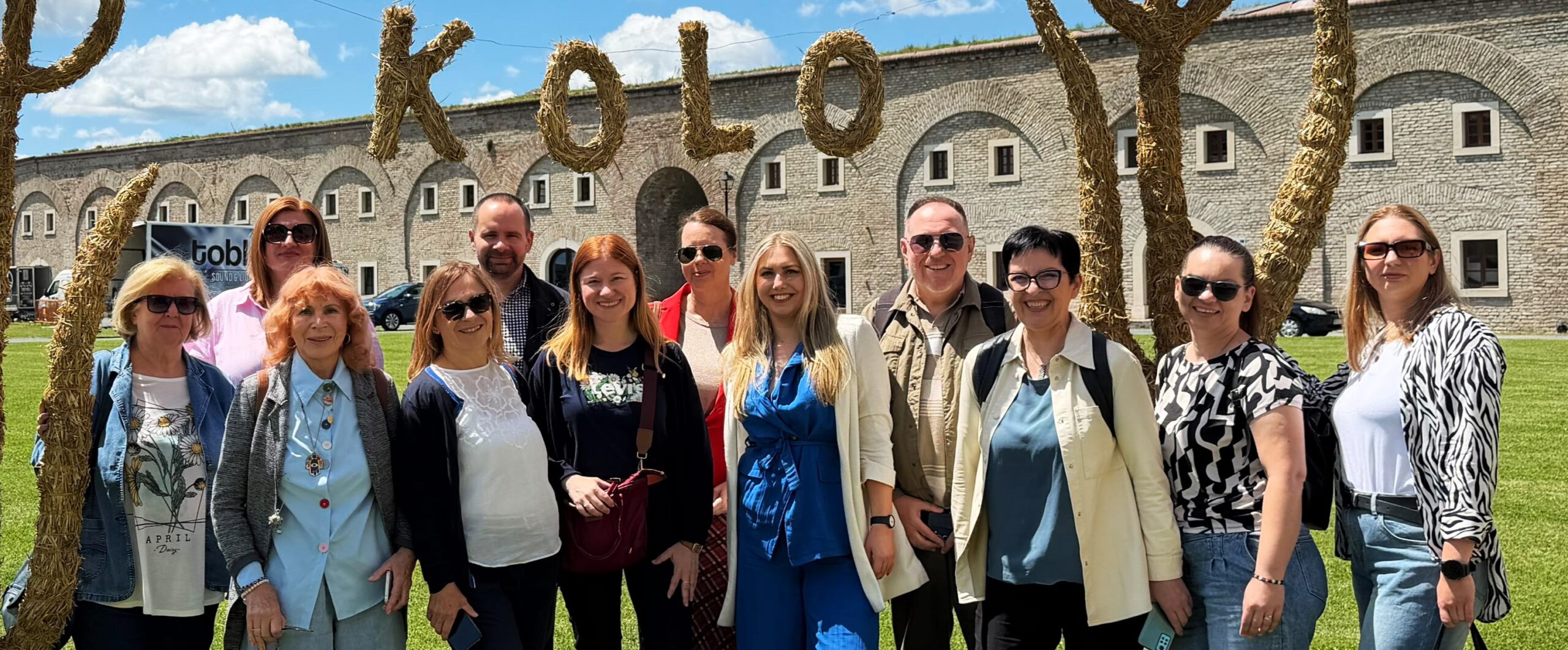
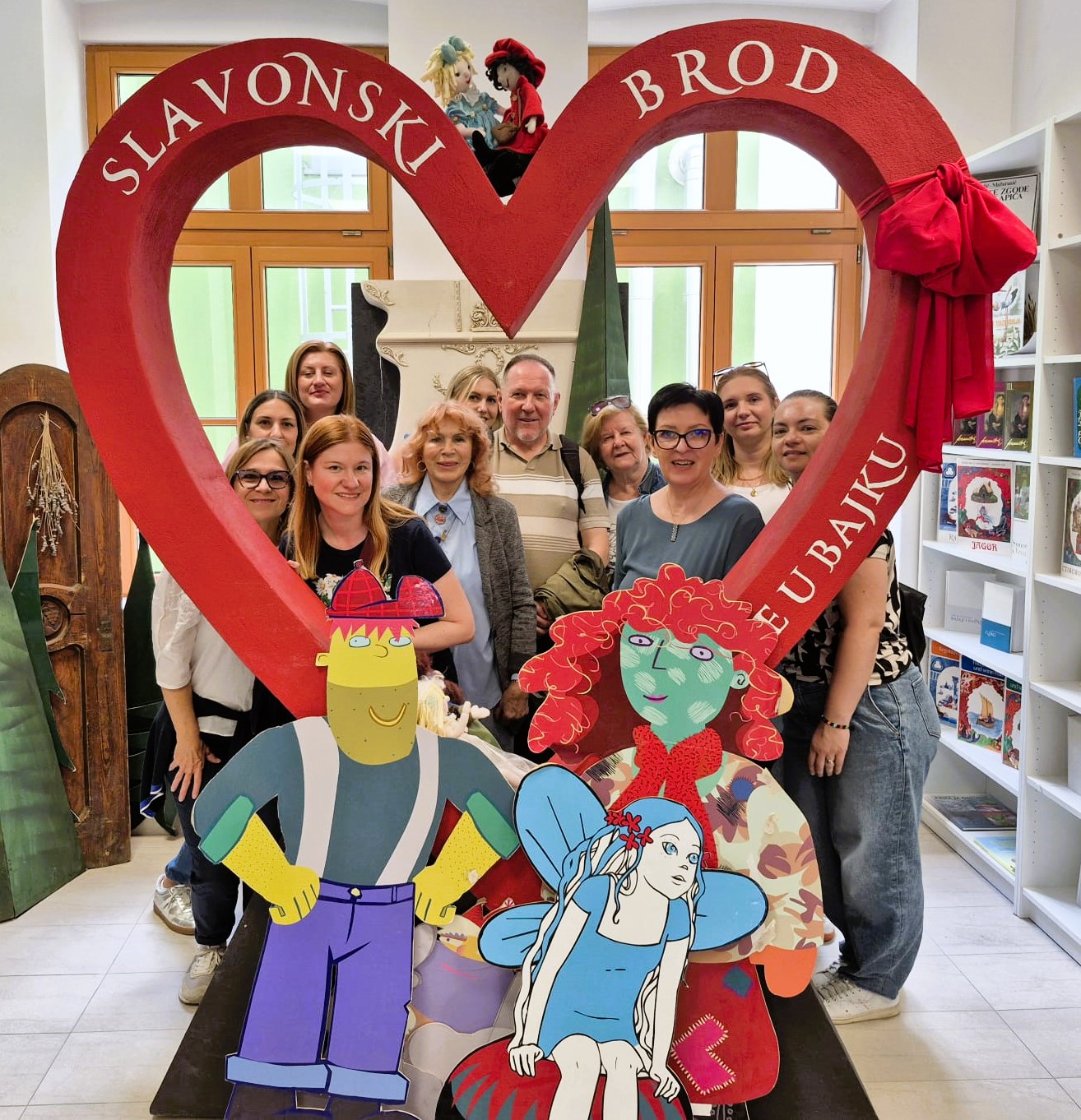
SLAVONSKI BROD, Croatia — Members of the Croatian Meeting Professionals Association (CMPA), accompanied by journalists from Fijet Croatia, recently embarked on a study tour to explore the city of Slavonski Brod and its growing potential as a destination for Meetings, Incentives, Conferences, and Exhibitions (MICE).
As business travel increasingly blends with leisure experiences, a trend widely known as “bleisure travel,” Slavonski Brod demonstrated why it is emerging as one of Croatia’s most promising destinations for business events, cultural tourism, and authentic local experiences.
Located along the Sava River in eastern Croatia, Slavonski Brod is a city rich in history, culture, and heritage. It is famously associated with renowned children’s author Ivana Brlić-Mažuranić, who created some of Croatia’s most beloved literary works here. The city is also linked to celebrated Croatian poet Dragutin Tadijanović and is the birthplace of former Croatian football star Mario Mandžukić. In 2009, the Croatian National Tourist Board recognized Slavonski Brod as the most beautiful continental city in Croatia in the “Green Flower” competition for large cities. 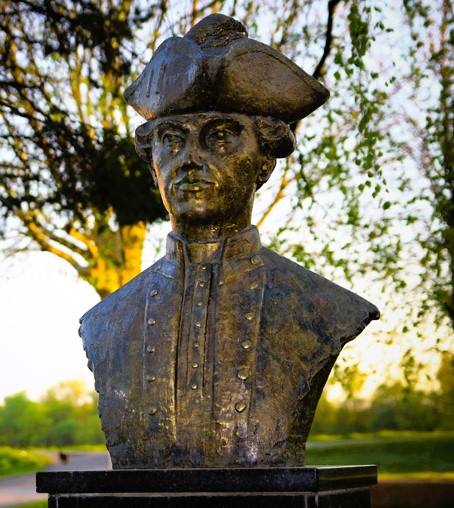
A Living Museum of Croatian Heritage
Visitors quickly discover that Slavonski Brod is much more than a business destination. The city offers an impressive collection of museums, galleries, churches, and cultural institutions that preserve and showcase the rich heritage of the Brod-Posavina region.
Its museums feature twelve permanent exhibitions covering archaeology, history, art, ethnography, and local traditions. Throughout the city, sculptures, monuments, historical buildings, parks, promenades, and public spaces tell the story of generations who helped shape the region’s identity.
One of the highlights of the study tour was a guided exploration led by local guide Vera, whose engaging storytelling brought the city’s history to life. Participants explored the city’s historical landmarks, memorial houses, museums, and public squares while learning about centuries of cultural and political development.
Historical records reveal that the area’s heritage dates back to Roman times. An original Roman diploma from the year 71 AD contains the earliest known mention of the ancient settlement of Brod. The city later became an important frontier outpost between the Austrian and Ottoman empires.
Among its most significant landmarks is the impressive Brod Fortress, a massive military complex built by the Habsburg Monarchy beginning in 1715. Today, the fortress stands as one of the best-preserved examples of military architecture in Croatia and serves as a unique venue for cultural events and gatherings.
The city’s architectural heritage also reflects its prosperous past, with elegant merchant and industrialist residences built in the Historicist and Secession styles surrounding the iconic Ivana Brlić-Mažuranić Square.
Expanding Hospitality and Meeting Infrastructure
Slavonski Brod continues to strengthen its tourism and business-event infrastructure. The city currently offers four hotels, numerous guesthouses, hostels, boarding facilities, and private accommodations, along with a diverse selection of restaurants serving traditional Slavonian cuisine and international dishes.
The recently developed Hotel Park further enhances the city’s hospitality offerings and provides additional capacity for business travelers and event organizers.
For meetings and conferences, visitors can choose from a variety of venues, including hotel conference facilities, the historic fortress complex, the City Library, Croatian Home, and other flexible event spaces suitable for corporate meetings, seminars, cultural events, and professional gatherings.
Sports, Recreation, and Adventure Tourism
Beyond its cultural attractions, Slavonski Brod has established itself as a hub for sports and recreation. The city’s Vijuš Sports and Recreation Zone serves as a major center for athletes and training camps, featuring the Vijuš Sports Hall, city swimming pools, cycling routes, and recreational trails.
Outdoor enthusiasts can also enjoy Poloj, Croatia’s longest continental sandy beach, located along the Sava River and popular with both residents and visitors during the summer months.
For those seeking adventure, the study tour included a visit to the Bilić Family Farm, where participants experienced outdoor recreational activities, including paintball. Equipped with protective gear, marker guns, and safety equipment, visitors enjoyed an exciting team-building activity that highlighted the destination’s potential for incentive travel and corporate retreats.
The Birthplace of the Necktie Tradition
One of the region’s lesser-known but fascinating historical connections is its association with the necktie. Historical sources suggest that the tie, now recognized worldwide as a symbol of men’s fashion, originated in this region.
A map created by a Dutch cartographer in the late 17th century identified the area around Slavonski Brod as “Cravaten Staat” (Land of the Croats), referencing Croatian cavalry units serving within the Habsburg Monarchy. Their distinctive neckwear would later inspire what became the modern necktie, a fashion accessory now worn around the world.
A Destination Ready for the Future
The study tour provided participants with a comprehensive overview of Slavonski Brod’s tourism assets, business-event facilities, cultural attractions, and recreational opportunities. Combining rich history, authentic experiences, modern meeting infrastructure, and Croatian hospitality, the city is positioning itself as a compelling destination for both leisure travelers and the international MICE industry.
The Croatian Meeting Professionals Association and Fijet Croatia journalists concluded the visit with a greater appreciation for the city’s potential and its commitment to developing sustainable tourism and business-event opportunities.
Special thanks go to all local partners, tourism professionals, institutions, and stakeholders who contributed to the success of this educational and promotional study tour.