

Kiran Marahatta,
Kansas City,
The game has changed.
The stars have changed.
Entire generations have come and gone.
Yet brightly, Lionel Messi remains.
On a dazzling summer night in Kansas City, as Argentina opened its defense of the FIFA World Cup title against Algeria, fans arrived expecting brilliance. What they witnessed instead was another chapter in football history.
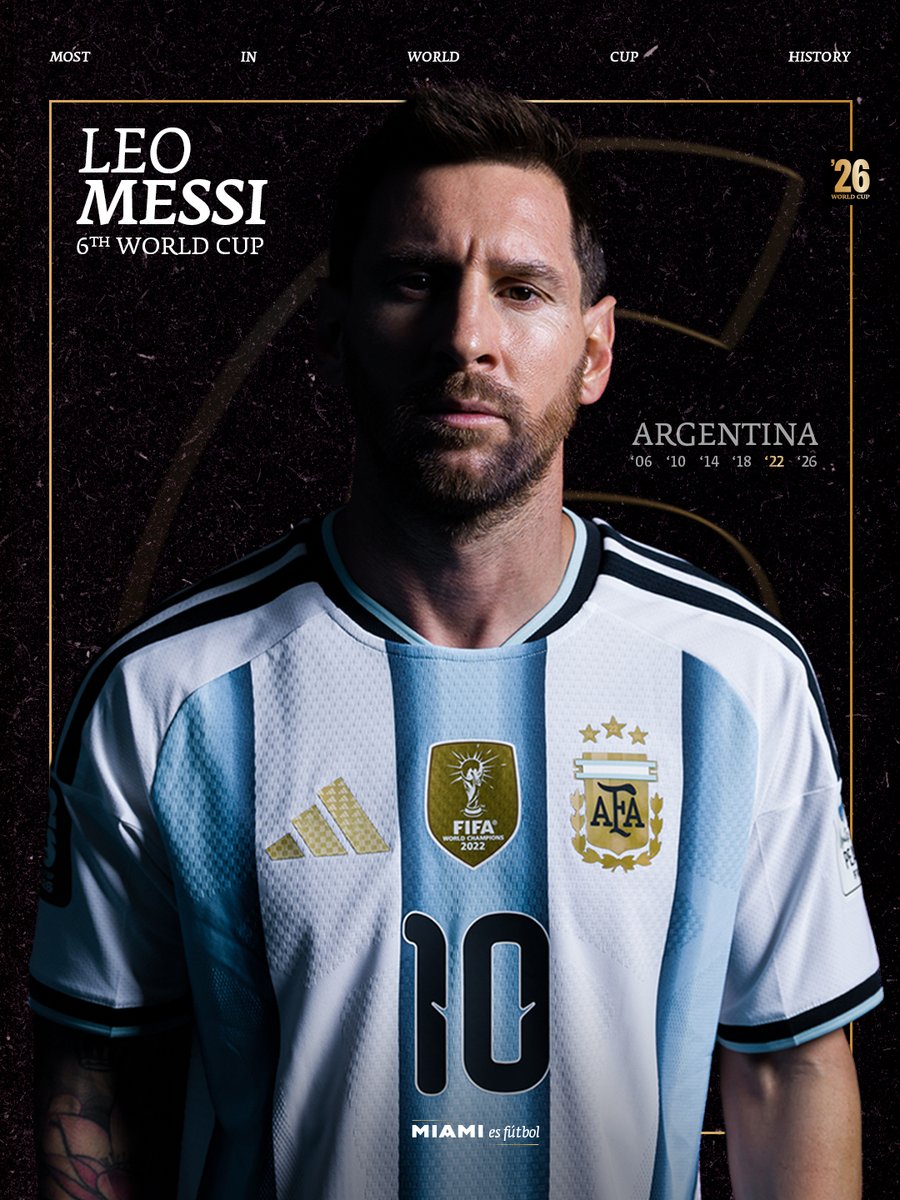
Thirty-nine years old. Six World Cups. More than two decades after first captivating the sport, Messi delivered a breathtaking hat-trick in Argentina’s 3-0 victory over Algeria, reminding the world why he is the best player in history.
As he emerged from the tunnel wearing Argentina’s iconic sky-blue-and-white jersey, the atmosphere felt electric. More than 70,000 spectators rose to their feet. Argentine supporters transformed the stadium into a sea of flags and songs. Every touch from their captain generated a roar that rolled through the stands like thunder.
The stage belonged to Messi.
And once again, he delivered.
Argentina came out aggressively, dictating possession and forcing Algeria deep into its own half. Within minutes, Messi announced his intentions with a dangerous effort that narrowly missed the target. It was a warning shot, a glimpse of what was to come.
Algeria survived the early scare.
Only briefly.
>Then the masterpiece began.
His first goal was vintage Messi.
A subtle movement between defenders. A perfectly timed run. One quick glance at the goalkeeper. Then came the finish—precise, effortless, and devastating. It was the kind of goal that defined his career: simple in appearance, impossible to stop.
>The second strike showcased what separates Messi from every other player of his generation.
>While younger stars often rely on speed, strength, or athleticism, Messi relies on something even more dangerous: anticipation. He sees the game unfold before anyone else. He understands spaces others cannot recognize. Every movement appears effortless because he has already calculated the next sequence of events.
>As defenders chased shadows, Messi calmly punished them once again.
>And then came the third.
The stadium rose as one.
The ball crossed the line.
History was made.
Messi completed the first World Cup hat-trick of his legendary career, equaled Miroslav Klose’s all-time men’s World Cup scoring record of 16 goals and became the oldest player ever to score a hat-trick in the tournament.
𝐖𝐨𝐫𝐥𝐝 𝐂𝐮𝐩 𝐀𝐥𝐥-𝐓𝐢𝐦𝐞 𝐓𝐨𝐩 𝐒𝐜𝐨𝐫𝐞𝐫 🐐🏆 pic.twitter.com/zRPYa25zQP
— Selección Argentina in English (@AFASeleccionEN) June 17, 2026
The standing ovation that followed felt less like a celebration and more like appreciation.
The crowd was not simply applauding three goals.
They were applauding greatness.
Why Messi Remains Football’s Ultimate Standard
Sport has never been richer in talent.
Seventeen-year-old Lamine Yamal dazzles defenders with fearless creativity and extraordinary maturity. Kylian Mbappé remains the most explosive attacker in world football, capable of deciding matches in seconds. Erling Haaland continues to score goals at a pace few strikers in history have matched.
Each represents football’s future.
Messi represents football’s complete evolution.
For nearly twenty years, he has excelled in every role imaginable. He has been a winger, a playmaker, a creator, a goalscorer, and a leader. Few players in history have combined elite dribbling, passing, finishing, vision, and football intelligence at such a sustained level.
As a teenager, he overwhelmed opponents with acceleration.
In his twenties, he dominated through breathtaking dribbling and creativity.
Today, approaching 39, he controls matches with his mind.
His greatest weapon is no longer his speed.
It is his understanding of the game.
Against Algeria, Messi was not the fastest player on the field.
He was simply the smartest.
And that remains his greatest advantage.
A Career That Defies Comparison
Statistics alone cannot explain Lionel Messi’s greatness.
Yet the numbers are staggering.
A World Cup champion.
A two-time Copa América winner.
Multiple UEFA Champions League titles.
Domestic championships in Spain, France, and the United States.
Eight Ballon d’Or awards.
Hundreds of goals.
Hundreds of assists.
Thousands of unforgettable moments.
View this post on Instagram
>>>>>>>>>>>>>Now, at the 2026 FIFA World Cup, he has become the first player in history to appear in six World Cups while continuing to add to one of the most extraordinary international careers the sport has ever seen.
>>>>>For Argentina, he is more than a captain. He is a symbol. For an entire generation of supporters, Messi’s career has mirrored the story of modern Argentine football—from heartbreak and criticism to ultimate triumph and immortality. Yet numbers and trophies tell only part of the story. His true impact lies in how he transforms matches. Every opponent adjusts his tactics because of him while every coach develops a game plan specifically to stop him. Every fan watches him with anticipation, and even his rivals struggle to hide their admiration.
Former Arsenal manager Arsène Wenger once described Messi as “a player who can make people happy simply by watching him play”. Pep Guardiola, who coached him during Barcelona’s golden era, famously said, “Messi is the best player I have ever seen and probably the best I will ever see.” Those words continue to resonate because Messi keeps proving them right.
The Last Dance Continues:
Many believed the story had reached its perfect ending in Qatar in 2022.
Messi lifted the World Cup trophy.
Argentina completed its fairytale journey.
The greatest chapter appeared finished.
>But football’s greatest artists rarely follow a script.
>Instead of fading away, Messi has extended his legacy. Against Algeria, he did not look like a veteran enjoying a farewell tour. He looked like a superstar still hungry for more.
>Every touch carried purpose.
>Every pass carried vision.
>Every movement carried authority.
His celebration after completing the hat-trick revealed the emotion of the moment. Nearly twenty years after scoring his first World Cup goal, he was still rewriting history on football’s grandest stage.
View this post on Instagram
The Verdict:
Can Lamine Yamal dominate the next decade?
Absolutely.
Can Kylian Mbappé shatter World Cup records?
Very possibly.
Can Erling Haaland become one of the greatest goal scorers the sport has ever seen?
>>>>>>>>>>>Without question.
>But on this unforgettable night in Kansas City, none of them were in the spotlight.
>Lionel Messi did.
>At 39 years old, while football’s next generation chases its legacy, Messi continues to expand it.
The debate over the greatest player of all time will always inspire discussion. Every era produces its heroes. Every generation has its icons, yet under the bright lights of the 2026 FIFA World Cup, one truth felt undeniable. The king has not surrendered his crown, and as Algeria discovered, Lionel Messi remains capable of transforming a football match into a masterpiece.
The lion still roars.
And the football world is still listening.